

Nov 25, 2026
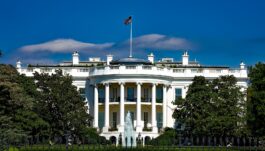
- The US has proposed a fresh wave of tariffs on imports from China, the EU and 12 other trading partners following a Section 301 investigation into manufacturing overcapacity and trade practices. Proposed duties could reach 40 percent on Chinese goods and 35 percent on Vietnamese imports, although existing trade agreements and tariff caps may reduce the effective rates.
- The measures represent a renewed push by President Trump to impose tariffs after the Supreme Court struck down many of his earlier duties imposed under emergency powers. The administration is now using Section 301 of the Trade Act of 1974, arguing that foreign subsidies, trade barriers and excess production are undermining American manufacturers.
- The proposed tariffs could take effect as early as January 2027, subject to public consultation and hearings. US importers will pay the duties, with additional costs potentially passed on to businesses and consumers through higher prices.
New duties of up to 40 percent are being proposed following a US investigation into manufacturing overcapacity, as the administration seeks to revive its tariff programme after a Supreme Court setback.
The Trump administration has proposed a fresh wave of tariffs on imports from China, the European Union and 12 other major trading partners, in a move aimed at tackling what Washington describes as structural overcapacity in global manufacturing.
The measures, announced on Wednesday by the Office of the US Trade Representative (USTR), follow a months-long investigation into the industrial and trade policies of 14 economies. The administration argues that government subsidies, preferential lending, trade barriers and excess production have allowed overseas manufacturers to flood international markets with cheaper goods, putting American producers at a disadvantage.
China faces the highest proposed additional tariff, at up to 40 percent in certain circumstances, while Vietnam could face duties of up to 35 percent. Other affected economies include India, Japan, South Korea, Taiwan, Bangladesh, Cambodia, Indonesia, Malaysia, Singapore, Switzerland and Thailand, alongside the 27-member European Union.
However, the headline rates do not necessarily represent the additional duties importers will ultimately pay. Existing trade agreements, previously negotiated tariff caps and exemptions for certain products will affect the final amounts.
The proposals are not yet in force, with the earliest implementation expected in January 2027, following a public consultation process and hearings.
China faces highest duties
China is at the centre of the latest measures, with the US proposing additional tariffs of up to 20 percent on covered imports. The rate could rise to 40 percent if the existing trade truce between Washington and Beijing is not maintained.
The distinction is important because the US and China agreed a trade arrangement in October 2025, which included a 20 percent tariff commitment. The latest proposals take that agreement into account, while providing for higher duties if the arrangement is not honoured.
Vietnam faces proposed additional tariffs of up to 35 percent, although this could fall to 20 percent if a reciprocal trade agreement with Washington is reached.
India could face duties of up to 25 percent, with a lower rate of 17 percent proposed if a trade agreement is concluded.
For the European Union, the proposed rate is 15 percent, taking account of existing commitments under the trade framework agreed with the US. The bloc has previously insisted that the agreed 15 percent ceiling must be respected.
The administration says the proposals also account for existing duties under other trade investigations and agreements, meaning some products will be exempt or subject to different effective rates.
Why has Trump announced new tariffs?
The latest move follows a significant legal setback for the White House earlier this year, when the US Supreme Court ruled that many of Trump’s so-called Liberation Day tariffs had been unlawfully imposed using emergency presidential powers.
Trump had originally unveiled sweeping import taxes on trading partners in April 2025, arguing they would encourage companies to manufacture more goods in the US, create jobs and reduce the country’s trade deficit.
The court ruling prompted billions of dollars in tariff refunds to American companies that had paid the duties on imported goods.
However, the decision did not end the administration’s efforts to pursue its trade agenda.
Instead, Washington has turned to alternative legislation, including Section 301 of the Trade Act of 1974, which allows the US government to investigate foreign trade practices considered unreasonable or discriminatory and to impose retaliatory measures where they are found to restrict American commerce.
The latest investigations were launched in March by US Trade Representative Jamieson Greer.
Announcing the findings on Wednesday, Greer said the US would no longer sacrifice its industrial base to countries exporting the consequences of excess manufacturing capacity to American markets.
He said many trading partners were producing more goods than they could consume domestically, with government support and industrial policies contributing to production levels that were not justified by market demand.
The White House says the new measures are intended to encourage manufacturing investment in the US, protect domestic producers and strengthen critical supply chains.
Canada absent from the list
One notable omission from the latest investigations is Canada, which has previously been among Trump’s most prominent tariff targets.
A senior administration official said Canada had not been included in the investigation, although this should not be interpreted as a clean bill of health for the country.
The official said the economies selected had particularly serious cases warranting action.
Washington has previously imposed several rounds of tariffs on Canadian exports, including steel, copper, cars and alcohol, with some duties reaching 50 percent on certain products.
Canada responded with counter-tariffs on American goods, including metals, seafood and dairy products.
Much of the trade between the two countries remains tariff-free under the United States-Mexico-Canada Agreement (USMCA).
Brazil is being treated separately, with Washington proposing additional duties on certain imports following stalled trade negotiations. These include higher tariffs on raw and refined sugar and a proposed 10 percent duty on aircraft, potentially affecting Brazilian manufacturer Embraer.
American businesses will pay the import taxes
Although the tariffs are aimed at goods manufactured overseas, the immediate financial liability falls on American companies importing those products.
US importers pay the duties to customs authorities, with the additional costs potentially passed through supply chains to manufacturers, retailers and ultimately consumers.
Economists have repeatedly warned that tariffs can increase domestic prices, fuel inflation and dampen international trade, particularly when businesses have limited scope to source products elsewhere.
Trump has argued that the measures will strengthen American manufacturing and create well-paid jobs, while also helping to reduce the federal deficit.
Previous rounds of tariffs have, however, contributed to higher costs for American businesses and consumers, making the economic consequences of the latest proposals a significant consideration.
The administration has also faced growing domestic criticism over its use of tariffs, particularly following concerns about their contribution to the cost of living.
What happens next?
The proposed measures will now go through a public consultation process, during which businesses, trade associations and other interested parties can submit comments and request to give evidence.
The USTR has set 5 January 2027 as the deadline for written submissions and requests to appear at hearings. Hearings are scheduled to begin on 25 January.
The administration has indicated that the tariffs could be introduced as early as January, although the final rates and product exemptions remain subject to the process.
The post US hits trade partners with new tariffs appeared first on Air Cargo Week.
Go to Source
Author: Edward Hardy
Latest Posts