
Apr 30, 2026
- Disruption in the Strait of Hormuz has slashed shipping transits and forced long ocean reroutes, but the primary impact on airfreight is indirect—via surging jet fuel costs driven by constrained oil flows and damaged refining capacity.
- Fuel price spikes (jet fuel up sharply year-on-year) are compressing airline margins and triggering widespread surcharges, capacity cuts and elevated airfreight rates across key corridors, with industry bodies like International Air Transport Association warning recovery will lag even if the strait stabilises.
- The disruption is global but uneven: Europe and Asia face acute supply pressure, while the Americas are relatively insulated yet still seeing higher shipping costs, with the broader outlook pointing to prolonged volatility as fuel supply chains and refinery output take months—not weeks—to recover.
The Strait of Hormuz has been open, closed and closed again since late February. The uncertainty alone is costing the air cargo industry. Here is what these compounding disruptions are doing to airfreight. And why even a lasting deal will not fix it quickly?
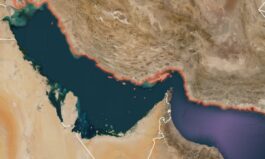
Since 28th February, when US and Israeli strikes on Iran triggered retaliatory action from Tehran, the Strait of Hormuz has been effectively unnavigable for most commercial shipping. Iran declared the Strait open on 17th April during a brief ceasefire. A dozen ships attempted transit. Two were attacked within hours. Iran reclosed on 18th April after the US refused to lift its naval blockade of Iranian ports. The ceasefire is nearing its end with no durable resolution in sight. Ship transits dropped from around 130 per day in February to just six in March, a whopping 95 percent drop, according to the United Nations Conference on Trade and Development (UNCTAD). Every major carrier has suspended Gulf transits and rerouted around the Cape of Good Hope, adding 10-14 days per voyage.
The fuel bill
For airfreight operators the big story is the fuel. The Strait handles around 20 percent of global oil supply. Brent crude peaked at US$118 per barrel before easing on ceasefire hopes. Jet fuel hit US$209 per barrel in the week ending 3rd April, up 132 percent year-on-year according to IATA. Fuel accounts for about 27 percent of airline operating expenses. When it doubles, margins disappear and surcharges follow.
Willie Walsh, IATA’s director general, told reporters in Singapore on 8th April that even if the strait reopens sustainably, jet fuel costs will take months to recover because of the damage sustained by Middle East refineries.
The International Energy Agency (IEA) director Fatih Birol warned Europe has roughly six weeks of remaining jet fuel supply, noting the strait accounts for around 40 percent of Europe’s jet fuel imports.
Surcharges
American carriers are far from insulated. United Airlines cut five percent of planned flights as fuel costs surged. In a memo to staff, Chief Executive Scott Kirby was blunt: if prices stay elevated, jet fuel alone could add US$11 billion in annual costs to the airline. “For perspective,” Kirby wrote, “in United’s best year ever, we made less than US$5 billion.”
The numbers
Airfreight spot rates on South Asia-Europe are up 105 percent year-on-year. Europe-Middle East up 87 percent. South Asia-North America up 82 percent, according to Xeneta. Routes transiting the Middle East account for over 15 percent of global airfreight traffic.
Global air cargo demand fell three percent year-on-year in March while capacity was six percent lower than March 2025. Xeneta’s chief airfreight officer Niall van de Wouw was direct: “Carriers will be in no rush to lower rates given the ceasefire is only temporary and the geopolitical situation remains uncertain.”
Are the Americas feeling it?
The Americas are less directly exposed than Europe or Asia. The US sources most of its jet fuel domestically and from Latin America, insulating American carriers from the worst of the Gulf supply shock. But the indirect effects are being felt.
USPS imposed an unprecedented eight percent fuel surcharge on all parcel shipments effective 26th April, the first time the postal service has ever applied a fuel surcharge to parcels. UPS and FedEx already have 5.9 percent general rate increases in effect since January, with additional surcharges layered on in response to the crisis. e-commerce shippers should budget for a 12-20 percent overall increase in shipping costs during the second quarter of 2026.
PortMiami and Miami International Airport operate on Atlantic routes that bypass the Strait of Hormuz entirely. For Americas-based operators routing through Miami, the disruption may create a competitive window.
Walsh’s message is the planning horizon: months, not weeks, even best case. The three top exporters of jet fuel globally are China, South Korea and Kuwait. China and South Korea cannot produce enough. Kuwait cannot get it out.
Middle East refinery damage is structural. Jet fuel supply chains need time to rebuild regardless of what the strait does on any given day. The strait has been open, shut and open again within a single 48-hour window at one point. that said, freight finds a way. But right now, that way is changing daily.
The post Strait in chaos appeared first on Air Cargo Week.
Go to Source
Author: Edward Hardy
Latest Posts