
May 10, 2026
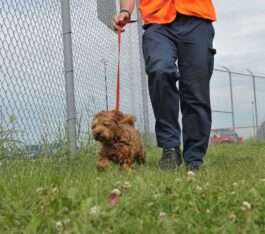
- Air Canada Cargo reported strong growth in live animal transportation over the past year, driven by expanded partnerships with specialist agents and rising demand for both pet travel and highly specialised animal shipments, including livestock and marine animals.
- The carrier highlighted the operational complexity of live animal logistics, citing movements involving sea lions and rescued sea turtles that required customised cabin pressure settings, co-ordination between engineering and flight teams, and specialised welfare procedures throughout transport.
- Air Canada Cargo has continued investing in dedicated animal handling infrastructure and staff training, while also introducing limited digitalisation measures to reduce paperwork risks; however, the company stressed that safety-critical decisions in live animal transport remain firmly human-led despite growing use of AI support tools.
Live animal transportation remains one of the most sensitive and operationally demanding segments of air cargo, where precision, regulation and care must align seamlessly. For Air Canada Cargo, the past year has underscored the growth potential of the sector, and the structural challenges that continue to shape it. According to Matthieu Casey, Managing Director, Commercial at Air Canada Cargo, demand for animal transport has strengthened over the past year, supported by closer collaboration with specialist partners and a broader operational focus.
“Regarding animal transportation, it’s been a very good year,” he said. “We’ve further expanded our network and partnered with IPATA and ATA agents, which has helped us not only increase the number of animal shipments, but also get into more speciality animal moves.”
This shift is reflected in a more diverse cargo mix. Demand is also being shaped by changing consumer behaviour. Beyond relocations and adoption movements, Sebastian Cosgrove, Director, Global Customer Service highlighted a noticeable increase in passengers choosing to travel with their pets, including on shorter journeys, signalling a shift in how animals are integrated into travel plans.
Alongside traditional pet movements, the airline has seen growth in livestock transport and highly specialised shipments, requiring coordination across multiple stakeholders and technical disciplines.
The operational reality of live animal transport often extends far beyond standard cargo processes. Cosgrove points to recent movements involving marine animals as an example of how complex these operations can become. In one case, the transport of sea lions required close coordination between flight operations, engineering teams and external specialists to manage cabin pressure conditions.
“The cabin pressure couldn’t surpass a certain amount,” he explained, highlighting how technical constraints must be adapted to meet biological requirements.
Another operation involved the relocation of a rescued sea turtle from Canada to Barbados, which was transported in the aircraft cabin following recovery. The movement required coordination with in-flight teams and safety departments, and included a special on-board announcement to passengers to celebrate the unique guest on their flight
Infrastructure and handling standards
To support this complexity, Air Canada Cargo has continued to invest in dedicated infrastructure. Its Toronto hub features a specialised animal care facility, including on-site handling capabilities designed to reduce stress and improve welfare outcomes.
A recent addition is a weighing system installed directly within the animal facility. The upgrade reflects a growing focus on minimising handling risks.
“We’ve recently introduced weighing procedures directly within our dedicated animal care facility, eliminating the need for animals to be transferred into the main cargo warehouse, reducing stress on the animal and promotes greater comfort during their journey. The initiative reflects our focus on the well-being of all animals entrusted to our care, ensuring their journey is as safe and comfortable as possible.”
Beyond infrastructure, the airline has also developed dedicated teams and processes for animal movements, including specialised staff and vehicles to ensure animals are handled separately from general cargo.
Despite operational progress, one of the most significant constraints remains the lack of digitalisation across the sector. Live animal shipments still rely heavily on physical documentation attached to kennels or unit load devices. If paperwork is lost, shipments can be delayed at borders until replacements are issued.
Air Canada Cargo has introduced internal measures, such as attaching digital copies of documents to bookings, but wider change depends on regulatory acceptance of electronic documentation. Industry initiatives, including digital certification programmes and tracking technologies, are beginning to emerge, though adoption remains uneven.
While digital tools and automation are gradually being introduced, Air Canada Cargo is taking a cautious approach when it comes to applying technology to live animal handling.
The company has begun using AI internally to support staff with operational queries, but critical decisions remain firmly human-led.
“Our core value is safety first, always.”
The post Inside live animal logistics appeared first on Air Cargo Week.
Go to Source
Author: Anastasiya Simsek
Latest Posts