
May 17, 2026
- A fatal UPS MD-11F crash in November 2025 triggered a global FAA grounding of the aircraft type; UPS retired its fleet, while FedEx invested about US$175 million to keep and later return its 29 MD-11Fs to service, partly offsetting disruption by shifting 18 domestic routes onto trucking under air waybills.
- The grounding exposed how FedEx’s domestic network is already structurally dependent on road substitution, with trucks absorbing significant freight flows during disruption, even as the company absorbed peak-season costs and still delivered record profitability.
- FedEx’s wider Network 2.0 restructuring is reducing station density by more than 475 sites, extending road feeder legs and consolidating hubs, effectively shifting domestic express freight toward a hybrid air–road system where trucking increasingly determines service performance.
On 4 November 2025, a UPS-operated MD-11F crashed on takeoff from Louisville Muhammad Ali International Airport, killing all three crew members on board and 12 people on the ground. FedEx had spent $175 million keeping a 35-year-old jet alive while closing hundreds of facilities and shifting domestic air routes to road. The Federal Aviation Administration (FAA) issued an emergency airworthiness directive within days, grounding every MD-11 and MD-11F in service worldwide. UPS retired its entire fleet within weeks. FedEx did the opposite.
FedEx committed to bringing all 29 of its MD-11Fs back into service, spending approximately $175 million over five months to keep its network moving while the aircraft sat grounded. The target return date is 31 May 2026. Speaking at the Wings Club in New York Richard W. Smith, chief operating officer international and chief executive airline, kept it short and sweet: “They’re ready to go.”
What the MD-11 actually does
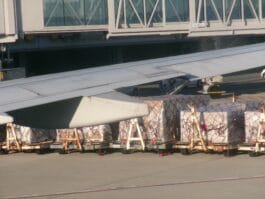
When the FAA grounded the MD-11F fleet, FedEx did not just absorb the capacity loss, they moved 18 domestic MD-11F routes to trucking. Cargo that was flying overnight in a widebody freighter started moving by road under air waybills as a road feeder service. The air waybill stayed. The aircraft did not.
That is not an emergency workaround. It is a preview of how FedEx’s network is being redesigned. The MD-11F serves FedEx’s domestic daytime network, moving heavy, less-urgent freight cheaply between hubs. And when it is not available, a truck does the job almost as well on domestic lanes.
FedEx chief financial officer (CFO) John Dietrich put the grounding cost in context during the Q2 earnings call: “It’s peak season. It’s an expensive time of year to be getting outsourced lift to begin with, let alone when you have a fleet grounded.”
The company absorbed $25 million in November 2025 alone before the full weight of the halt landed during peak shipping season. It still posted its most profitable peak season in company history.
Network 2.0: closing stations, extending roads
The MD-11 decision makes more sense when you understand what Network 2.0 is actually doing to FedEx’s physical footprint. The company is closing more than 475 stations by the end of 2027, roughly 30% of its facility footprint.
More than 200 have already closed. Scott Ray, chief operating officer (COO)-elect for US and Canada surface operations, explained the logic plainly: “Our customers don’t need both an Express and a Ground truck in the same neighbourhood on the same day, and they don’t need to separate their Express and Ground packages for two separate pickups.”
What replaces them is a leaner hub network with longer road feeder legs. Cargo that previously moved air-to-air through a local station now moves road-to-air or air-to-road through a regional hub.
As of March 2026, approximately 35% of eligible volume flows through nearly 400 optimised Network 2.0 facilities, up from 15% a year ago. The target is 65% by the next peak season. In markets where Network 2.0 has already rolled out, FedEx has reported a ten percent reduction in pickup and delivery costs.
The road more taken
FedEx is retreating from low-margin e-commerce, openly acknowledging it cannot compete with Amazon on price. What it is doubling down on is premium, time-sensitive freight where both legs need to perform.
For airfreight operators and forwarders, the ground leg is becoming the variable. As stations close and hub-and-spoke consolidation deepens, road feeder transit times on domestic lanes are changing. The air waybill still says overnight. The road leg now has to deliver on that promise over longer distances with fewer handoffs.
The MD-11F is coming back because the network still needs what it does. The alternative, as the past five months have shown, is putting more volume on the road.
The post Grounded jets, rolling trucks: FedEx’s high-stakes future bet on the road more taken appeared first on Air Cargo Week.
Go to Source
Author: James Graham
Latest Posts