
Sep 08, 2026

- 1,165 new aircraft will be needed between 2026 and 2045, taking Africa’s commercial fleet from 755 to 1,625 aircraft.
- Passenger and cargo demand is accelerating, led by 6.5 percent annual growth in intra-African traffic and a 7.1 percent rise in Africa–Middle East traffic.
- Growth will require investment beyond aircraft, with Boeing forecasting US$140 billion in aviation services demand and 75,000 additional workers over the period.
Africa is heading towards a significant expansion of its commercial aviation fleet, with Boeing forecasting that the number of aircraft operating across the continent will more than double over the next two decades.
The fleet is expected to increase from 755 aircraft in 2025 to 1,625 by 2045. Meeting that growth would require 1,165 new aircraft deliveries between 2026 and 2045, underscoring the scale of the investment expected in the region’s airline sector.
Most of the demand will come from single-aisle aircraft. Boeing forecasts 870 deliveries in this category, reflecting the importance of domestic, regional and other short- to medium-haul markets to Africa’s future air transport network. A further 240 widebody aircraft are expected to be delivered for longer international operations, alongside 40 regional jets and 15 new freighters.
The growth in aircraft demand is being driven by rising passenger traffic. Travel within Africa is forecast to increase by 6.5 percent a year through 2045, while traffic between Africa and the Middle East is expected to grow even faster, at 7.1 percent annually. Africa–Europe traffic is projected to expand at a more modest 3.4 percent a year.
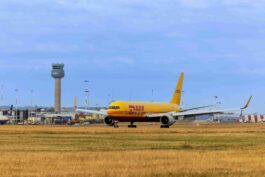
The cargo market is also set for a substantial expansion. Africa’s freighter fleet is forecast to reach 150 aircraft by 2045, compared with 60 today, as stronger logistics networks, e-commerce and export activity generate additional demand for air cargo capacity.
That growth will not be confined to aircraft themselves. Boeing estimates the continent’s aviation services market — spanning maintenance, repair and overhaul, modifications and digital services — will be worth US$140 billion over the 2026–2045 period.
The industry will also need a much larger skilled workforce. Boeing forecasts that Africa’s aviation sector will require an additional 75,000 workers, including 22,000 pilots, 25,000 technicians and 28,000 cabin crew.
Shahab Matin, Boeing’s Managing Director of Commercial Marketing for Africa and the Middle East, said the continent was “entering a period of sustained growth driven by improving connectivity, expanding intraregional travel and deeper economic ties”.
Africa’s established airlines are likely to remain important drivers of that expansion. Major carriers such as Ethiopian Airlines, EgyptAir and Kenya Airways operate substantial Boeing and Airbus fleets on international routes, while aircraft from Embraer, ATR and De Havilland Aircraft of Canada play an important role in regional operations.
The numbers point to an aviation market with considerable room to expand, but turning the forecast into sustained growth will require more than aircraft deliveries. Training capacity, maintenance infrastructure, airport investment and the availability of skilled personnel will all have to develop alongside the fleet.
The post Africa’s aviation fleet faces major expansion by 2045 appeared first on Air Cargo Week.
Go to Source
Author: Edward Hardy
Latest Posts