
Jul 02, 2026
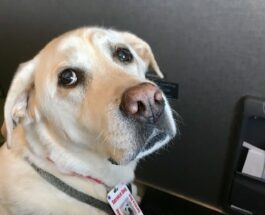
IATA’s new guidance on service dogs has put renewed attention on how airlines define, verify and handle animals travelling by air, drawing a clearer operational distinction between service dogs accompanying passengers with disabilities and pets subject to standard transport rules.
The guidance, developed following the work of IATA’s Service Dogs Task Force, is designed to help airlines better understand the acceptance of service dogs while supporting the integrity of accessibility policies across aviation.
Although the document is focused on passengers with disabilities, it touches a wider operational issue for airlines, airports and ground staff: inconsistent definitions, documentation and handling procedures can create confusion across the animal travel process. Service dogs play an essential role in supporting persons with disabilities, but IATA said inconsistent service dog definitions, verification processes and handling procedures represent challenges for both airlines and passengers.
The new guidance is non-binding and intended to remain dynamic, allowing it to reflect ongoing changes in laws, regulations and policies governing service dogs across different jurisdictions.
Linda Ristagno, Assistant Director Customer Experience and Facilitation at IATA, described the current state of accessibility across the industry as “inconsistent but improving.”
“We are witnessing strong awareness and clear intent, with most organisations now viewing accessibility both as a responsibility and an important part of customer experience,” Ristagno said.
However, she warned that delivery still varies widely across regions, providers and different parts of the process, leaving customers facing unpredictable experiences. “Commitment exists, standards are shaping, but more consistency and reliability are required,” she said.
The Service Dogs Task Force brought together airlines, regulators, airport representatives, disability advocacy organisations and service dog training and accreditation bodies. According to IATA, this multi-stakeholder approach was intended to ensure the guidance reflected operational realities while remaining grounded in the needs and rights of persons with disabilities.
A key element of the guidance is its clarification of what separates service dogs from pets. Service dogs are individually trained to perform specific tasks for persons with disabilities and are considered essential mobility or assistance aids.
By contrast, IATA said pets, including emotional support animals, do not have the same level of training or regulatory status and are therefore subject to standard pet transport rules. That distinction is significant for aviation operations, as confusion between service dogs and pets has contributed to inconsistent acceptance policies and challenges for both passengers and frontline staff.
“Handling service dogs is complicated and inconsistent,” Ristagno said. “Airlines are dealing with changing rules, heterogeneous national standards, increasing numbers of passengers travelling with animals, and confusion between real service dogs and pets misidentified as such.”
For airlines, IATA identified three main takeaways: harmonisation and clarity of policies, standardised documentation and verification processes, and operational staff training. Staff training is also central to the guidance. IATA said well-trained teams are better placed to handle service dog travel confidently, distinguish genuine cases from others and deliver a respectful, consistent experience.
Ristagno said practical challenges remain, including seating, cabin safety, space and comfort. Airlines may also need to manage passengers with allergies or different cultural views around dogs.
The wider operational challenge is coordination. Accessibility, Ristagno said, is “not just about airlines.”
“It affects airports, security, and ground staff. All these groups must be aligned to ensure a satisfying customer experience from start to finish,” she said.
The post IATA guidance draws clearer line between service dogs and pet transport appeared first on Air Cargo Week.
Go to Source
Author: Anastasiya Simsek
Latest Posts