
Jun 08, 2026
- Liège Airport has built a coordinated cargo ecosystem branded “Cargoland”, built via LGG Connect to bring together airlines, forwarders, smaller operators and digital platforms into a single collaborative network.
- The model is being backed by a target of around 70 percent growth in cargo volumes, supported by stronger engagement with authorities, improved compliance and processes, and a business-led, cross-sector operating culture.
- e-commerce is now central to this strategy, with LGG leveraging major events such as the EU Cross Border e-commerce forum in Liège, which has scaled rapidly
Liège Airport’s (LGG) operational model being built around it is less about throughput alone and more about structuring connectivity across airlines, forwarders and digital interfaces, moving LGG from a hub into the Cargoland community.
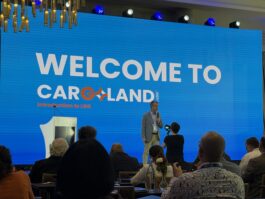
“We observed that major hubs in Frankfurt, Brussels and elsewhere were developing strong collaborative ecosystems, so we said – Let’s develop our own, founding LGG Connect, a non-profit association bringing together cargo members from across the community,” Frederic Brun, Vice President of LGG Connect, explained.
The mission behind Cargoland is to integrate all roles and flows throughout the sector, connecting every job and functional across the ecosystem, providing Liege with a collective voice that solidifies LGG’s position as a global hub.
“We want working groups with influence, a coordinated voice towards government, and a structured engagement with airport leadership,” Brun continued. “We are very pleased with the direction towards 2027. Our DNA is to bring all of you together. The hardest part of the market is connecting the fragmented mid-tier players, the hundreds of smaller operators who together form a major force.”
With the support of all of its members, LGG is looking to increase cargo volumes by 70 percent, with figures steadily rising for the last four years. This has been aided by the changing mentality at the hub, taking a holistic view, rather than isolating verticals into their own segments. Through improved communication with authorities, improvements to checks, compliance and digital systems and a business-orientated approach, LGG and Cargoland have provided the basis for a virtuous cycle that creates success for the hub and all of its partners.
“We moved 1.3 million tonnes of cargo last year. This has been made possible by the community, the large and the small players in the ecosystem. When you connect the dots and start asking who moves the cargo and sits behind those companies, you understand the importance of connection, Brun explained. “It’s a puzzle that fits perfectly together.”
Later this year, LGG will showcase Cargoland during the EU Cross Boarder e-commerce forum in Liege, returning for its four edition on 8-10th September. “E-commerce is the backbone of our business. Last year we processed 1.1 billion transactions. This year, by June, we have already matched that figure,” Brun declared.
Highlighting the role of e-commerce in its operations, LGG will transform the prestigious Palais des Congres Liege into the CBEC stage and exhibition area, hosting over 300 companies, 100 freight forwarders, 60 airlines, shippers from a wide range of sectors, and 15 trade media outlets.
“The event has more than doubled in size since we first hosted it in 2019, and it continues to grow in scale and influence. We already have 60 airlines confirmed, 53 renowned speakers, and expect more than 850 participants, possibly even breaking the 1,000-attendee mark in 2026. If you’re active in air cargo, this is where you need to be,” Brun highlighted.
The post Cargoland unites the community in Liege appeared first on Air Cargo Week.
Go to Source
Author: Edward Hardy
Latest Posts