

Mar 25, 2026
Rising jet fuel prices and market volatility are driving immediate increases in air freight rates, as airlines struggle to absorb rapid cost changes and ongoing disruptions.
Sharp increases in jet fuel prices are once again feeding directly into air cargo rates, with the impact being felt almost immediately across global supply chains.
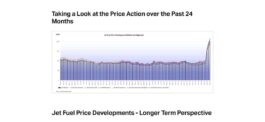
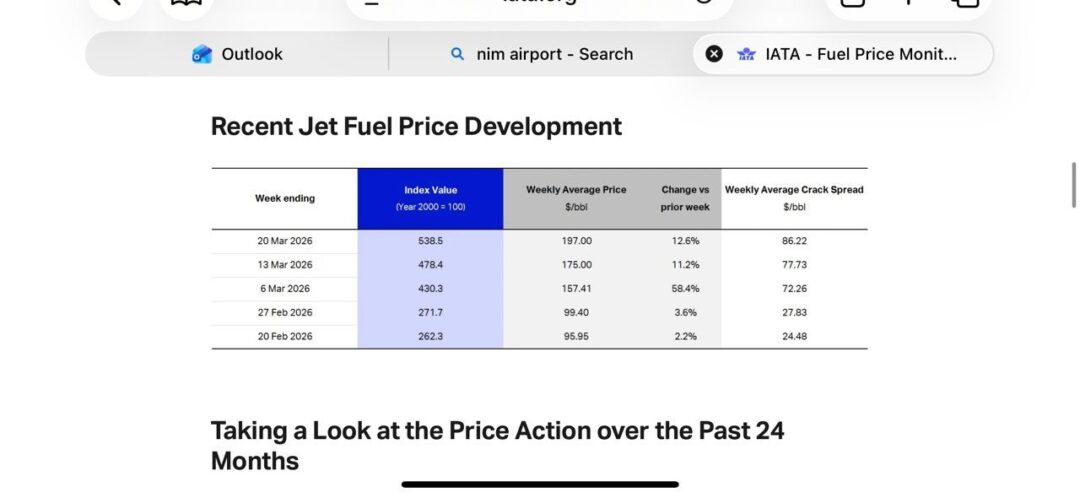
Recent data from IATA’s fuel price monitor shows a steep upward trend through March 2026. Weekly average jet fuel prices rose from around $95 per barrel in late February to $197 by 20 March, marking consecutive weekly increases of 58.4 percent, 11.2 percent and 12.6 percent. Over a longer-term view, fuel prices had remained relatively stable over the past two years before spiking sharply in recent weeks.
This rapid escalation is now translating into higher freight rates, as highlighted in a recent LinkedIn post by Siddharth Sinha, a freight and logistics professional. He notes that fuel is not simply another cost component but “one of the biggest drivers in air freight pricing,” meaning sudden movements trigger immediate market reactions.
Unlike gradual increases, sharp price spikes leave airlines with limited time to adjust operations or absorb costs. As a result, rate adjustments are being implemented quickly, often in parallel with broader operational challenges.
The current fuel-driven pressure is compounded by ongoing disruption across global networks. Route adjustments, capacity constraints and delays are adding further strain, making planning increasingly complex for both carriers and customers.
The post Fuel price volatility pushes air cargo rates higher amid ongoing disruption appeared first on Air Cargo Week.
Go to Source
Author: Anastasiya Simsek
Latest Posts